
29 weeks pregnant
YOU
During pregnancy, iron is important for replenishing the red blood cell supply, accommodating the demand created by increased blood volume, and providing the baby with adequate iron stores for the months after birth. You should be eating at least 30 milligrams of iron each day during the second and third trimesters. Because iron deficiency is common during pregnancy, your LMC may recommend that you receive a blood test to check your iron level. If your iron levels are found to be low, you may be prescribed an iron supplement. You can boost your iron intake by eating plenty of lean red meat and leafy green vegetables, eating foods rich in vitamin C at the same time as you eat iron rich foods, and limiting your caffeine intake as caffeine inhibits iron absorption.
YOUR BABY
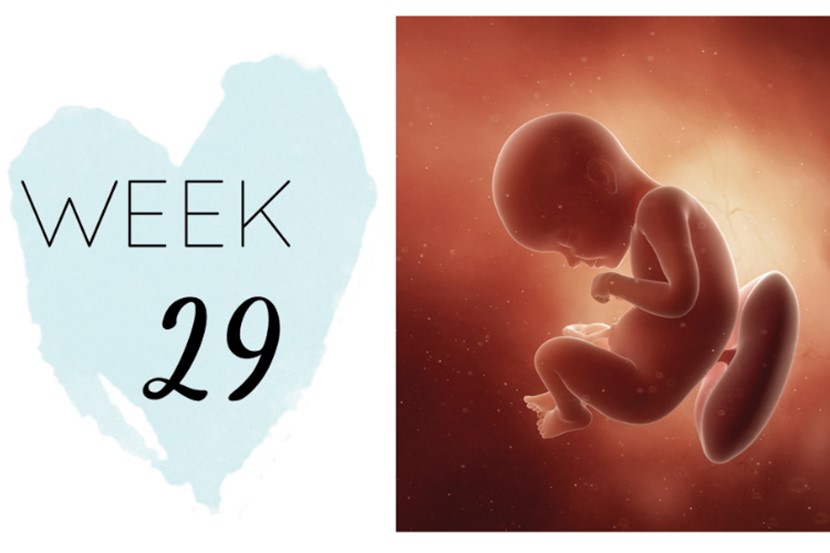
Your baby now weighs around 1.3 kilos and is around 43 cms long (with extended legs). Your baby continues to be active, and those first few flutters of movement have given way to hard jabs and punches that may take your breath away. If you notice a decrease in movement, do a fetal kick count: your baby should move at least 10 times in a 12 hour period. If you are concerned about your baby's movements, contact your LMC.
His eyes can move in their sockets and he’s becoming sensitive to changes in sound, taste and smell. He’s probably still head-up but will move into the head-down birthing position over the next few weeks.
Your baby's adrenal glands have begun to produce hormones such as androgen and estrogen. These hormones stimulate the hormone prolactin in the your body, causing you to make colostrum, the milk that will feed the baby in the first few days if you chooses to breast-feed. Your baby will be growing healthy fat between the skin.
| << Week 28 | Week 30 >> |