
Encouraging children to sleep well
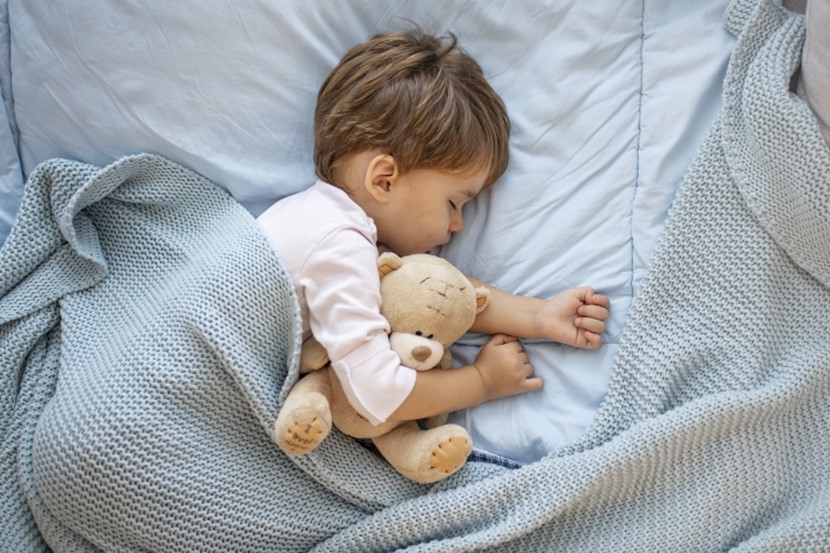
Once children arrive, sleep and having enough of it takes on another meaning. Sleep is so precious and getting enough of it at times is difficult. We all need enough of it to have adequate energy for the day's activities and responsibilities. Toddlers can become more independent in their sleep routine than infants, in that they can hop into their bed; help with getting pyjamas on; fetch books for bed time stories; and go around the family for goodnight kisses and cuddles. They can anticipate the upcoming activities and participate in them with enthusiasm and undeniable cuteness!
Sleep problems are, however, common. One in three children under five have a sleep or bed time problem. These include; dawdling; protesting and refusing to go to bed; crying after being put to bed; getting out of bed; refusing to sleep in their bed; and waking in the night.
Problems occur for several reasons. Children may have learned some unhelpful habits such as being rocked to sleep or fed until they fall asleep. As a result they haven't learned to fall asleep on their own. Parents may also have inadvertently rewarded their children for problematic behaviour. A child may have learned that screaming (assuming he /she is well) gets the parent to return. It may even get them out of bed. This means there is little incentive for the child to be quiet and learn to go to sleep independently. Lastly, changes in routine a new bed, staying elsewhere and sickness can interfere with good sleep habits. These usually return once the routine is resumed.
To establish healthy sleep habits ensure your child's cot or bed is comfortable; the room well ventilated and at a constant temperature. Sleep suits or wraps to ensure your child stays at a comfortable temperature can be helpful. Allowing your child to have a 'snugly' or favourite blanket or soft toy to accompany him or her can be a comfort.
Developing a bedtime routine is the key step in establishing healthy sleeping habits. This means deciding on a regular bedtime. Typically for preschoolers this is anywhere between 6:30 to 8:00pm. Set up a routine of activities that need to be done e.g. change nappy or use the toilet; bath; put pyjamas on; brush teeth; read a story, cuddle and say goodnight.
Remind your child before bed time that they'll need to go to bed soon and involve them in quiet play. Follow the steps of your bed time routine then check with your child that they have no reason to come out of bed by going through a list of possibilities such as: "Have you said goodnight to every one? Have you had a drink? Have you got your teddy?" Say goodnight and leave decisively. Ignore any requests or complaining.
Praise and encourage your child for having achieved any steps of the bed time routine in the morning, e.g. "well done for staying in your bed", "well done for going to sleep quietly". If your child needs more encouragement you may like to set up a behaviour chart called "STAYING IN BED" or GOING TO SLEEP QUIETLY" This could be hung by their bed and have their favourite stamp or sticker on it for achieving this.
If your child cries and complains when asked to stay in their bed tell them "if you stay in bed and do not call out I will come back and check on you". Come back in 2 minutes and praise them if they have remained quietly in bed. Repeat this returning in 5 minutes. Continue this, gradually extending the time between your returns. Leave quietly if you return and your child is asleep. Praise them in the morning and repeat this the following night, phasing it out over the next evenings.
Achieving healthy sleeping habits has a big impact on everyone's ability to function well in the family, other relationships and work commitments. It influences your mood and general sense of well being, particularly if problems are ongoing. If problems persist seek professional support. You may like to contact Triple P for the Tip sheet "Bed Time Problems" as this suggests three methods of managing bed time problems and what to do if your child gets out of bed, cries during the night or wants to sleep in your bed. An accompanying video can also be loaned.
By Pauline Ogilvy
Registered Psychologist
Triple P/ Healthy Families Ltd