
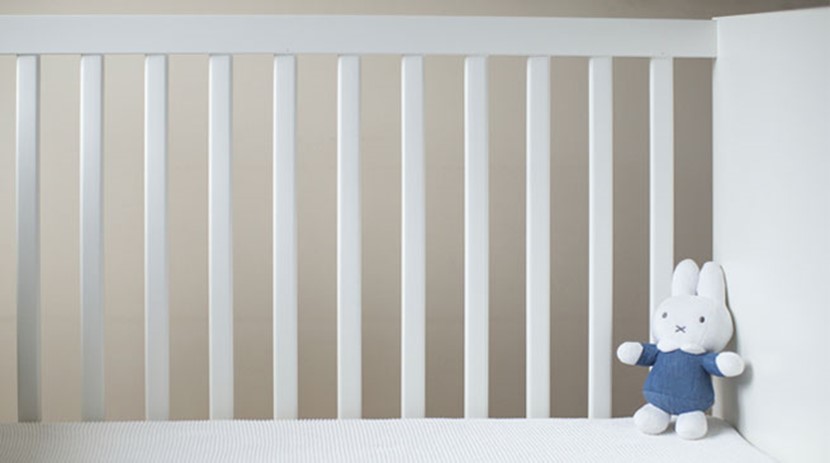
Cot death, or Sudden Infant Death Syndrome (SIDS), is the unexplainable death of an infant, and leaves our community asking some big questions. Charlotte Wenham explores the mystery that is SIDS.
"One night during his flu the breathing monitor alarm went off, it was 2:25am - not his usual wake-up time," says Tracey, a mother and accountant from Auckland. "When I rushed into his room, he wasn't stirring, so I picked him up. Upon doing that, I heard him take a huge gasp of breath while choking through mucus. He started crying, and I knew he had stopped breathing." This happened just before Christmas, when Ethan was just a few months old, Tracey explains.
Tracey's story could be so different. As women and mothers, we like to talk, to share our experiences, our hopes and our dreams. But there is a topic that is almost too taboo to say out loud: Despite 45 babies a year dying in New Zealand from Sudden Infant Death Syndrome (SIDS), with up to 10 times as many Maori babies dying from SIDS as babies from other ethnic groups, we are still reluctant to talk about it. Is this because we fear that by talking about SIDS, we accept it and invite it into our lives? Even "Red Nose Day" was "put to bed" a few years ago, despite New Zealand having one of the highest death rates from SIDS, when compared to other countries.
According to SIDS New Zealand, SIDS is "the unexpected death of seemingly healthy babies 12 months or younger". No cause of death is found. In New Zealand, SIDS accounts for the deaths of more babies between the ages of one month and one year than any other known cause. We don't know what SIDS is or what causes it. Yet in 2005, one family every week in New Zealand was told that there is no reason why their baby died.
So what do we know? There are a lot of conflicting opinions as to what causes SIDS, how to reduce it, and which babies are at the highest risk. Since 1994, when the Safe Sleeping Recommendations (see below) were introduced, SIDS deaths have reduced by over 50%. Unfortunately, despite these initial major reductions, in the last decade we have not seen much of a drop in the SIDS rate.
The only thing we know for certain is that at some stage, a healthy, happy baby stops breathing, stops moving, and silently passes away. This is a fear for many parents, and some of these same parents live with the horrible reality of this every day. If these baby's parents were alerted, could they have done something to prevent their baby dying? Maybe, maybe not. Nobody knows for certain. But, regardless of whether they could, most parents would do anything to have the opportunity to try.
There are products on the market that can help parents to feel peace of mind while their baby sleeps. The Safe T Sleep Sleepwrap (www.safetsleep.co.nz) is a 100% cotton, flexible wrap that fits tightly around the cot mattress and helps parents to follow SIDS preventative recommendations, which include:
One of the big decisions I made as a mother was to use a movement monitor. There are a lot of choices out there, but thinking about the lifestyle that my husband and I lead, I decided that the best option for our family was a portable, wearable movement monitor. This meant that we could monitor our baby whether we were at home, at a friend's house for dinner, or if he was sleeping in a portable crib at his grandparents' home. It is priceless to me to know that he is monitored wherever he is.
Breathing and movement monitors such as the Snuza Halo Movement Monitor (www.snuza.co.nz) are an excellent option to offer parents peace of mind. This monitor in particular detects your baby's slightest movements and sounds an alarm if all movement stops for 20 seconds. It's portable and clips onto your baby's nappy, so it is able to go everywhere your baby goes, which makes it especially good value when out and about or at home.
A breathing and movement monitor, on its own, is only rubber, plastic, and other electronic components that give us information - an inanimate machine. However, with basic first aid knowledge and access to medical professionals, lives can, have been, and will continue to be saved with the help of such devices.
In my experience as a trained emergency nurse, I have used a lot of different machines and devices to help save lives. Some of these are simple things, like blood pressure monitors and blood sugar testers; others are more complex like heart defibrillators. These machines have helped me to save lives, yet there have also been times when I have used these same life saving machines and have been unable to prevent someone dying. Yet we still use these machines, and often recommend that people out of hospital use these same machines. Every day we use devices to protect us from hazards. Smoke detectors alert us of a possible fire (or just the burnt toast); infant car seats can reduce the injury to our baby in the event of a car accident. Neither of these has been proven to prevent death, but they do significantly reduce the severity of injury.
As parents, we all want what is best for our children, and to have them grow in a safe, happy and healthy environment. We do everything we can to protect our children, but SIDS is frightening, because there is no clear reason for it, so it is almost impossible to prevent. With around 50 babies dying of SIDS in New Zealand each year, most parents agree that anything that can alert us to possible harm is worth investing in
What else can parents do?
The following safe sleep practices are recommended:
Other ways to reduce the risk:
Charlotte Wenham is a trained emergency nurse and mum to two boys.

AS FEATURED IN ISSUE 7 OF OHbaby! MAGAZINE. CHECK OUT OTHER ARTICLES IN THIS ISSUE BELOW










Cookie Policy | Terms & Conditions | Privacy policy | Copyright © 2024 www.ohbaby.co.nz. All Rights reserved.