


Pregnancy has some weird physical side effects that you usually know nothing about until you experience them yourself. Here are 10 fascinating - and strange - things about pregnancy.
1 The nose knows
 Almost every pregnant woman experiences a heightened sense of smell that seems directly related to morning sickness and nausea. It's usually the worst during the first trimester (up to about week 14), and it can send you gagging to the bathroom when you least expect it. The reason? The hormones surging through your system, particularly increased estrogen, seems to send your olfactory system into overdrive, despite studies insisting pregnant women don't have noses that are any different from non-pregnant women (although Tesco in the UK has recently mentioned plans to recruit pregnant women to act as wine-tasters due to their supposedly bionic noses - and don't worry, wine-tasting doesn't involve swallowing the wine).
The smells that make you gag are usually quite individual, although there are a few things that seem to set just about everyone off - cooked eggs, cooked broccoli, beans, and fish. Many women can't stand the smell of meat cooking, and become very, very sensitive to cigarette smoke and food that's gone off.
Some pregnant women also experience the phenomenon of "phantom smells" - smelling something that isn't actually there. My husband insisted my nose was defective during pregnancy as I kept accusing him of passing gas when he hadn't! The dog did look a bit guilty, though…
2 Big foot
I spent the final two months of my pregnancy in flip-flops - not a good look in a corporate office, but the reality was, my feet had somehow surpassed my regular shoes, and I couldn't bear to spend money on bigger footwear when I was hopeful my feet would return to their normal size. Guess what? They didn't.
The hormone relaxin, which also causes your ligaments to loosen and relax so that your pelvis can open up to allow your baby to be born, works on your feet too. With the added weight of pregnancy, and gravity pushing everything down, your feet will fatten a bit. They don't actually grow bigger, but your arches might fall and your foot might fatten and elongate.
Swelling and weight gain during pregnancy may affect your feet as well, as you can gain weight in your feet. These symptoms will alleviate post-pregnancy, but unfortunately, there's nothing you can do about the effects of relaxin on your foot bones - so wait until after the birth before you run to the big shoe sale at Wild Pair.
3 Hair today
One of the loveliest side effects of pregnancy is that the hair on your head usually feels thick and luxurious thanks to, yet again, your hormones. Hormones prevent normal hair loss from occurring, so the hair that would normally fall out after reaching the end of its normal growth cycle is retained. Pretty awesome - until a couple of months post-birth, when all that hair starts falling out and you fear going bald. (You won't. We promise)
Unfortunately, there's a down side to this hairy hormonal surge. Some pregnant women notice that they're suddenly growing random, coarse hairs in places it's never been before - their upper lip, cheeks, chin, chest, breasts, belly, and back, as well as increased hair growth on arms and legs. It's annoying (and feels unsightly), but it's normal. This growth usually decreases after your baby is born, but you may be left with a few strange hairs that need regular maintenance. Laser hair removal when you're done with breastfeeding is a good option, or else buy a good pair of tweezers and keep at them.
4 If I only had a brain
You've probably heard of baby brain, also known as preggy brain or mummy brain. Is your concentration completely gone? Put your car keys away in the fridge and the milk away in the cupboard? Can't remember your own phone number? Have you forgotten why you're reading this article in the first place?
Nobody knows why pregnant women's brains seem to exit the building, but almost all of the pregnant women and new mums we know have stories of getting into the car only to forget where they're going, putting groceries away in seemingly random places, and losing track of what they were talking about mid-conversation. Some researchers think that sleep deprivation could be the cause; others think that pregnant women simply have too much on their minds with the impending life-change of having a baby. Invest in a good diary and strap it to your bump, so you'll always have your appointments at the ready.
5 The eyes have it
When I was pregnant, my eyesight seemed to suddenly get worse. A panicked visit to my eye doctor and a temporary prescription later, I was sorted - and I learned that I wasn't the only one with this odd pregnancy symptom. Hormones are at work again here, as your corneas can swell just as your ankles and waist can. And as your corneas swell, they curve more, meaning that they way they refract images changes and can temporarily worsen your eyesight.
Contact-lens wearers usually feel that their once-unnoticeable contacts suddenly feel like shards of glass, as this corneal curvature can cause contact lenses to ft differently. Your fluctuating hormone levels can also mean your eyes feel more dry. But if your vision seems to change dramatically, tell your LMC right away, especially if you experience tunnel vision or see spots. These kinds of eyesight changes are unusual, and can signal gestational diabetes or hypertension.
6 It's dark in here
Melasma - the mask of pregnancy, also known as chloasma faciei - can startle any pregnant woman looking closely at herself in the mirror. Those darkened patches of skin on your forehead, cheeks, nose, and upper lip are caused by, you guessed it, hormones, which stimulate the pigment-producing cells in your skin to produce more melanin pigments. It should disappear within six months of giving birth. Many pregnant women will also develop linea nigra, a dark line that extends from their belly button down their abdomen to their pubic area. About 1cm wide, it tends to show up during the second trimester and usually goes away in the months following birth.
7 Tooth or dare
Old wives' tales talk about babies "stealing" calcium from their mums, and it's partly true. The calcium you ingest through your diet will help them build their bones, and while this is going on, you need to take extra care of your own bones and teeth. Your gums in particular are susceptible to pregnancy gingivitis, which is marked by an increased amount of swelling, bleeding, and redness. This occurs toward the end of the first trimester and usually peaks around the end of pregnancy. If you don't treat it, it can result in tooth loss, so make sure to floss, brush, and rinse, as well as see your dentist regularly. Make sure to mention to your dentist that you're pregnant (so they save the X-rays for a future appointment) and tell them if you have any concerns about your oral health.
8 I vant your blood
Chances are Bella Swan was more attractive to her vampire friends when she was pregnant with Renesmee - because pregnant women actually have about 40% more blood in their bodies than women who aren't gestating. Your heart will be working a lot harder to get all of this blood pumped through your system, which is one reason you need to eat more, drink more, and rest more - and also why you probably feel tired. Your heart will be beating around 15 more beats per minute, and most of this increase occurs around the third trimester. Of course, if you feel like it's beating too fast, or you're out of breath, faint, dizzy, or experience an irregular heartbeat, tell your LMC right away.
9 Get a leg up
Toward the end of pregnancy, you may have trouble sleeping - not just because finding a comfortable position for your growing body is difficult, but also because your legs literally keep you awake at night. Restless leg syndrome (RLS) is prevalent in the third trimester, and it can drive you just about crazy with the tingling, burning, quivering, jumpy, crawling, antsy, itchy, dancing, spasming sensations going on in your legs. There are many theories as to why women experience RLS during late pregnancy - iron deficiency, not enough calcium, hormonal changes - and unfortunately there isn't much you can do about it. Iron supplements may help, and avoiding caffeine might also keep symptoms from getting worse.
10 Feelin' hot hot hot
Hot flashes aren't the sole preserve of women going through menopause. If you're pregnant, you may find yourself stripping layers off in the dead of winter or kicking the duvet off at night. Hot flashes during pregnancy are associated with fluctuating hormone levels, and are especially common during the second and third trimesters. You may feel your heartbeat suddenly accelerating, your face, neck, and chest will go hot and red, and you may start to sweat profusely. There isn't much you can do besides wait it out - your hot flash should be over in less than five minutes - and dress in easy-to-remove layers. While some women do experience post-partum hot flashes (especially when you're first learning to breastfeed), they should decrease and disappear entirely - until menopause brings them back.

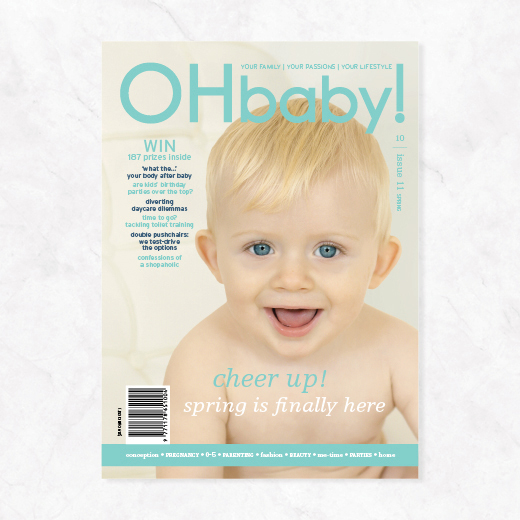
AS FEATURED IN ISSUE 11 OF OHbaby! MAGAZINE. CHECK OUT OTHER ARTICLES IN THIS ISSUE BELOW













Cookie Policy | Terms & Conditions | Privacy policy | Copyright © 2024 www.ohbaby.co.nz. All Rights reserved.