
Zygosity
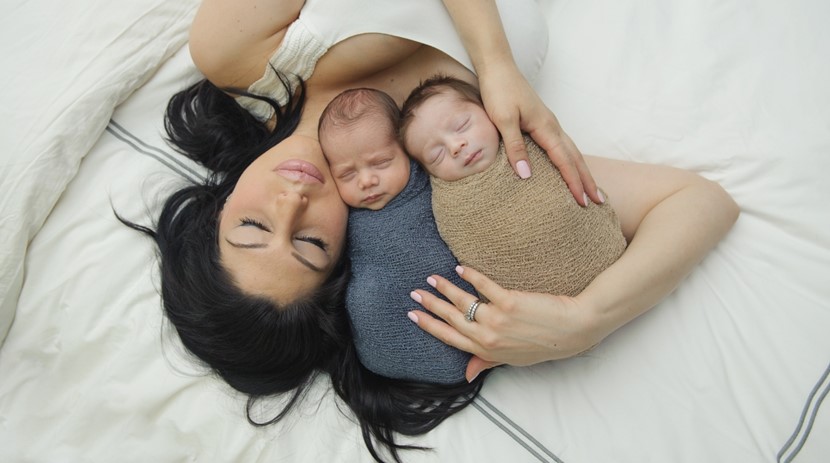
Monozygotic twins are twins which are the result of a single fertilised egg splitting to form two separate babies. They are more commonly known as identical twins, and they share all the same genetic markers. They are always the same sex. However, identical twins do not always look identical. They may have slightly different shaped heads and/or faces as a result of molding during the birth process, one might be slightly taller and they may be different weights. They may also have differing birthmarks. Monozygotic twins are not believed to be genetic, and women who have monozygotic twins often have no family history of twins.
Dizygotic twins are twins which are the result of two separate eggs being fertilised by two separate sperm. They are more commonly known as fraternal twins, and they are no more alike than any other pair of siblings. They may be completely different in appearance, or they may be very similar. Dizygotic twins appear to be genetic, and usually occur in women with a family history of twins. The gene can be passed down by both the male and female, but only presents itself in females in the form of double ovulation, where two eggs are released during the same menstrual cycle.
If your twins share a placenta (monochorionic) they must be monozygotic. However if they have separate placentas they may be either monozygotic or dizygotic. The only way to know for certain is to have DNA testing carried out. DNA testing is done using a painless swab from the inside of each twin's cheek. In New Zealand it currently costs around $170 to have this testing done. Your local Multiple Birth Club will have more information.