
Great advice for exercising during pregnancy
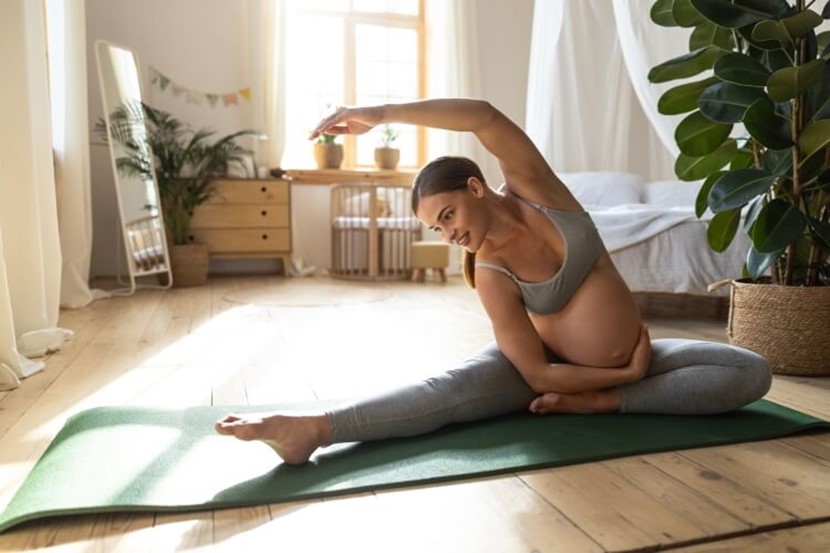
Pre Natal Exercise
Exercising during your pregnancy can help build the stamina that is required for labour and delivery. Exercise can also help stabilise your overall weight, as being seriously overweight or underweight can influence birth defects like cleft pallet palate and diabetes. If a woman starts her pregnancy heavier and then gains too much weight, it can negatively impact on her blood glucose levels and blood pressure during this time. However, being underweight while pregnant can prevent the baby from growing properly and can result bed rest for the mother due to a lack of energy.
It is not too late to start an exercise routine whilst you are pregnant. It is exceptionally important to listen to your body throughout and to stop if you experience pain, bleeding or dizziness - although ensuring that you never exert yourself to this level is the key. Exercise should feel of a moderate intensity. You should feel that you can talk comfortably whilst exercising, yet also feel like you have a slightly elevated heart rate. You can tell your heart rate is elevated when you have a light sweat on and are slightly puffed. You should never feel red in the face, very sweaty and as if you can't talk. If so, you need to lower the intensity. Walking regularly, swimming, pre-natal aqua, yoga and Pilates classes are all good exercise options, as well as light weight training (ensure weights do not exceed 4kg). Contact and extreme sports must be avoided for obvious reasons! Women who have been very fit prior to pregnancy are able to continue their training as usual in the first trimester, but should tailor it to be more moderate for their 2nd and 3rd trimesters.
Ensuring that you are well hydrated, so that your core temperature stays comfortable, is extremely important and it is advisable not to exercise in hot environments. Making sure that you have eaten prior to exercising is also paramount, so that your blood sugar stays balanced and you have adequate energy for the chosen exercise. If not, nutrients will be taken away from your baby in order to maintain your working body.
Do not exercise if you feel you are unwell or even if you feel you are coming down with something. A pregnant woman's immune system is slightly lower than a non-pregnant woman's and so she is much more susceptible to illness. Exercise will only continue to lower the immune system, resulting in illness and a longer recovery period.
Pregnancy is all about change and the importance of an exercise routine plays a crucial role in the health of the mother and the beginning of a new life. There are many advantages from staying fit throughout pregnancy.
Firstly, the mother to be feels better about herself psychologically, due to the positive endorphins that are produced during exercise. A good exercise regime promotes better sleep at night and more energy during the day. The mother to be experiences a large amount of change due to her expanding and adapting body, exercise helps her to feel a greater sense of control over these changes. Mothers to be will also become well prepared for the physical demands of labour, due to increased stamina and cardiovascular endurance as well as the strength that is required from the pelvic floor muscles and quadriceps. Labour can be like an endurance event, so it makes sense to train for it!
Exercise
There are no hard and fast rules about exercising when you are pregnant. Each woman will be different in what they can and can't do. Anything is better than nothing though, and it's good to do some regular exercise if you possibly can. Any exercise improves circulation and varicose veins especially.
The types of exercise recommended are -
• Walking
• Jogging
• Swimming
• Aquarobics
• Yoga
Types of exercise not recommended are -
• Sports which use rapid direction changes (like squash or netball)
• Hard, repetitious movements like in aerobics should be done with care.
Some pregnant women will need special care and should discuss their exercise plan with their LMC. These women are:
• Women who have a history of miscarriage
• Women who have heart disease or diabetes
• Women who have cervical incompetence (when the cervix dilates in the second stage of pregnancy
• Women who are having more than one baby at the same time
It is important to exercise within your own comfort zone or ability. Whatever exercise regime you had before you were pregnant can be generally be continued until it becomes too uncomfortable. Of course if you didn't exercise before the pregnancy it isn't a good time to take it up.
If you haven't been doing any regular exercise before the pregnancy and would like to begin, then walking is your safest and most beneficial option. Try to walk four times a week for at least half an hour.
It is also very important to exercise the pelvic floor muscles so as to help reduce the chances of developing problems with incontinence during and after pregnancy.
In some areas of New Zealand there are special exercise programs for pregnant women. Ask your LMC or go to your local gym or women's center for details.
And of course always remember to drink plenty of water when you exercise!
Safe exercises:
Pelvic floor exercises
Lean forward after you have gone to the toilet (to prevent using the buttock muscles). On the out breath clench the muscles from your anus to your vagina through to where you urinate. It should be a similar sensation as if you are trying to hold something inside your vagina, such as a tampon. There should be no evidence on the outside of your body that you are doing anything, hence no muscles should be tensing on the outside of your body.
Walking is excellent when you are pregnant, but do not over exert yourself.
Attend aqua aerobic classes, as the water will support you, which is comforting.
There are some pregnancy exercise videos that are available, these are good as they are specifically for pregnant women and you can do them at your own leisure at home.
Find out if there are any antenatal exercise classes in your community that you could attend.
If you were a runner before pregnancy, you may continue. If you were not, stick to walking instead.
Yoga is not only helpful for exercise but it assists you to learn breathing exercises.
Exercising when post-natal:
See your health professional before beginning these as you will have to be checked to ensure that your rectis abdominus muscle has come back together. This is gap that comes together when you place your fingers in the middle of your stomach when lying on your back with your knees bent and you lift your buttocks. A caesarean section during delivery will affect you from starting post-natal exercises, check with your health professional first.
Never stop doing pelvic floor exercises, make them a life time commitment!