
ER - what you should know
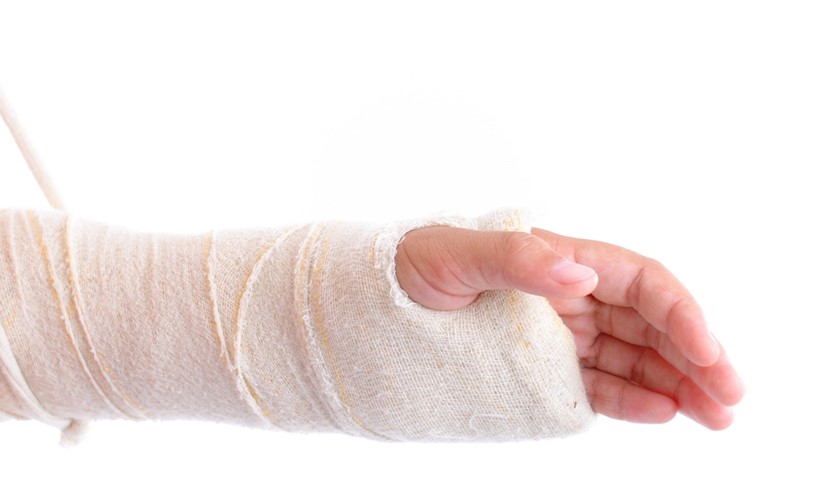
In case of emergency
Emergency department staff are the people we rely on to mend our children when they're sick or injured, but as parents we need to do our part too. This is what emergency department doctors want you to know.
 Every day an average of 22 children are admitted to New Zealand hospitals because of accidents or injuries that could be avoided. And every week, two young lives are tragically lost because of potentially avoidable events. For parents a trip to the emergency department is hugely stressful - as well as the anxiety over your sick or injured child, there's the many long hours spent comforting and pacifying your little one. But there are some things you can do to ease the pressure on you and the hospital's busy staff. We asked Paediatric Emergency Medicine Specialist Dr Abby Baskett from Starship Children's Hospital's Emergency Department for her top tips. Here's what she told us:
1 First and foremost save trips to hospital emergency departments for real emergencies. If the injury or illness is something that would normally involve a trip to the GP then consider taking your child to an after-hours accident and emergency department such as Auckland's White Cross clinics.
Of course, in cases such as serious accidents, your child having trouble breathing or bleeding profusely you should call 111 for an ambulance.
Hospital paediatric emergency departments, such as at Starship and Waitakere hospitals are staffed by junior doctors (house surgeons), registrars and one consultant while White Cross accident and emergency clinics are staffed by GPs, house surgeons or registrars. You'll be triaged first (placed in order of urgency) at both places. If it's during office hours, call your GP before you go to the hospital to help you decide whether your child needs to go to the emergency department. If it's in the evening or weekend, you can call Healthline (0800 611 116). Starship emergency department also has a phone triage system for Auckland parents, (09) 307 4902.
2 When you arrive at the hospital's emergency department it's very important to keep your cool, even if your child is bleeding or seems very unwell. Having a calm parent will help an injured or sick child hugely. Take several deep breaths and don't jump to scary conclusions before you have a diagnosis.
If you can't keep calm while your child is having a procedure consider leaving the room as an upset parent can make the situation worse for the child. Remember you're in the right place and everything is being done to get your child treated as soon as possible.
If you can, leave siblings and other family members at home. It's difficult for staff to have large families in the waiting room. Also, avoid asking the doctor to check your other children's minor problems at the same time. It can really hold up the works!
3 While you're waiting to be seen by the emergency room staff, jot down any questions you have. Ideally you will have had time to grab your child's Well Child book or other medical records, but if not, then take a few moments to write down any previous illnesses, immunisation history, allergies and any medications your child is taking. Depending on the time of day you'll need to be prepared to wait for up to a few hours to be seen. Bring coins for vending machines, favourite cuddly toys and a book for your child. Try to distract him from the pain by reading to him, telling stories or playing quiet games.
4 When you do get to see a doctor calmly explain the situation giving as many details as possible. Describe symptoms and when each first appeared. If your child has a fever or pain, feel free to give her Pamol. Staff find it much easier to examine a child if she's feeling better - and won't think you're wasting their time because her temperature has dropped.
5 Stay with your child during procedures and examinations, unless you are distressed and can't keep calm. Try to shield your child from distressing sights in the emergency room and scary-looking instruments. Explain to your child what is expected to happen and be honest about any procedure. Don't say it won't hurt if you know it will, but try to stay positive and reassure him that all will be well.
6 Avoid giving your child food and drink if you think there may be a need for surgery, for instance for a broken bone or deep cut. A full stomach can delay the ability to operate on, or sedate, the patient.
7 If your child has swallowed poison bring the container with you so staff can see the full list of ingredients. According to the National Poisons Centre, 20% of families with pre-school-aged children experience a poisoning every year and most occur in the child's own home. You can help avoid accidental poisoning by keeping medicines, poisons and chemicals well out of sight. Always use child-resistant safety caps, and ensure you follow the dosage instructions of medicines accurately.
In case of poisoning contact your local Poison Information Service by phoning 0800 POISON (0800 764 766). The service says over the past year, the most common calls it received relating to under-fives were for paracetamol, multi-vitamins, silica gel, oral contraceptives and ibuprofen.
8 Ask about pain-free options before procedures such as injections, stitches or a blood test. Often a numbing cream or mild anaesthetic can be administered. If the injury is a minor cut, ask if skin tape or glue is an alternative to stitches. At most emergency departments these options should be offered without you needing to ask.
9 If you think your child's condition has deteriorated since arriving at the after-hours care ask to have him re-assessed. If you're not satisfied with the diagnosis don't be afraid to ask for extra tests or to get a second opinion and feel free to ask questions. Doctors might be busy but it's their job to answer questions.
10 When you leave the emergency department make sure you clearly understand the discharge instructions. You need to know how to care for your child's injuries and what to do if the situation doesn't improve or gets worse. It's often best to ask for written information, as you're likely to forget verbal instructions in the midst of the stress and drama of the situation. Follow up your visit with a call to your GP to get the diagnosis added to your child's medical file. Ask if your child needs a follow-up examination.
11 Take a first aid course. Knowing what to do in the first few minutes after an accident has the potential to lessen injury, possibly even save a life. For instance, the correct first aid treatment for burns is to run cold water over the burn for at least 20 minutes or until an ambulance arrives. Again, prevention is the best medicine, so always have working smoke alarms and set your hot water temperature to 50-55°C at the tap. Too often staff see babies and toddlers with severe burns from spilt cups of hot tea or coffee. A child's skin is much thinner than an adult's so hot water can cause much more damage, so never carry a child and have a hot cuppa at the same time.
A first aid course will also teach you invaluable skills to help a choking child, a child with a cut, and potentially life-saving CPR. Also encourage your child's grandparents and other carers to take a first aid course.
12 Please be careful when backing out of your driveway. On average Starship staff see around 12 children each year who have been struck or run over on a driveway. Most of them have been hit by a driver who's a close family member. Much of this anguish can be avoided if you follow three simple steps: CHECK for children before driving off, always SUPERVISE children around vehicles and SEPARATE play areas from the driveway.
13 Ensure you constantly review the "child-proofing" around your house to keep up with your child's development. Most injuries on very young babies seen in the emergency department are related to equipment such as bouncers, carriers and strollers and can be avoided if you keep baby bouncers on the ground and not on the bench or table top, and making sure babies are securely strapped into carriers and strollers. As babies get older and more mobile you'll need to be conscious of the potential for falls. Use guards on stairs and gates, when they can climb ensure they can't get to the top of bunk beds, and when you change their nappies do it on the floor. At around nine to 12 months babies become much more inquisitive and begin putting things in their mouths so medicines and small objects need to be kept away.
14 Summer time is the season for swimming and fun in the sun, but it's also the "trauma season". Starship emergency department staff see many more burns, drownings, cycling accidents and injuries involving car crashes over the summer months. When you're out and about with your kids over summer, you'll often be in unfamiliar surroundings, so it's crucial you keep youngsters within sight.
Water Safety New Zealand says 71% of infant drowning deaths occur because of a lapse in supervision. You need to "actively supervise" children - that doesn't mean sitting on the beach reading a novel while your children play at the water's edge - it means "being in the line of sight with the ability to provide immediate assistance". Always keep your guard up near water, even at public pools with lifeguards.
Dr Abby Baskett is a Paediatric Emergency Medicine Specialist at Starship Children's Hospital in Auckland and mother of three children, aged eight, six and two. She's also a lactation consultant and is passionate about helping new mothers and babies get off to a happy start with breastfeeding. She's rostered to work over Christmas and New Year and would really, really like a quiet few days.
As seen in OHbaby! magazine Issue 16: 2011

Subscribe to OHbaby! magazine
Purchase Issue 16