
Summer safety
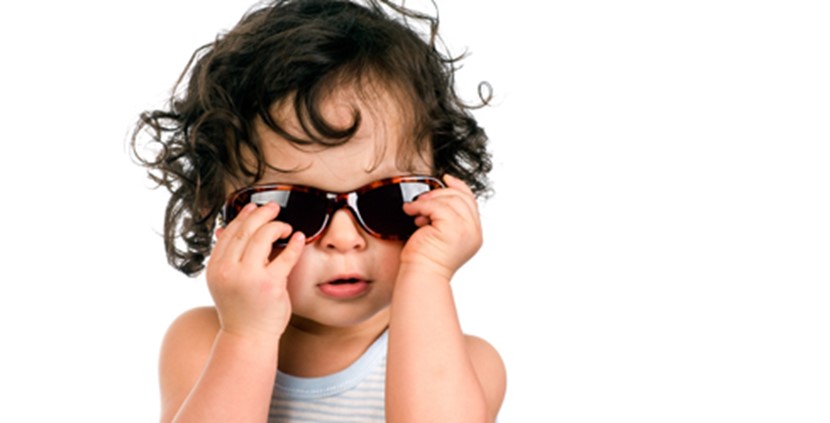
It's summer - time to get outdoors and enjoy glorious days relaxing in the sun. But hazards lurk behind many holiday pleasures, so Dawn Molloy shares some vital reminders on keeping our families healthy and safe while the sun shines.

After a relentlessly wet winter I'm looking forward to some sunshine. But the sunny days bring with them their own issues, especially here in New Zealand, with our high risk of ultraviolet (UV) light making sunburn an ever-present danger.
There are two negative aspects to bad sunburn. First of all, it hurts! And it causes immediate damage. But second, and worse, it can cause long-term damage and even skin cancer, which is too often fatal. Nearly 300 people die of melanoma every year in New Zealand.
I grew up in an era when sunburn was an automatic expectation, because come summer, we went on holiday to the beach and we simply played outside - all day, everyday. Blisters and calamine lotion were part and parcel of a summer holiday. Now, my generation are the ones most at risk of skin cancer, because the damage done when we're young is what shows up in the statistics decades later. This makes regular melanoma checks imperative.
There's no excuse today, what with hats, UV-resistant swimwear for kids, sunscreen creams, and the ubiquitous "slip, slop, slap, wrap" message. So here's what you can do to minimise problems.
Stay sun-safe
Don't let your kids get sunburned (and don't get burned yourself). Keep them protected with appropriate clothing and hats, sunscreen creams, and by limiting their time in the full sun. Outside play is safer in the early-to-mid morning, or in mid-to-late afternoon, but watch out for the widely published "burn time" each day and avoid it. And keep children well hydrated with frequent small drinks of water.
If you have friends or relatives visiting from overseas, warn them: The sun burns much more severely in New Zealand than in most other countries, even on apparently dull days. It's not the temperature of the sun that burns us, it's the ultraviolet light (UV), and UV is able to easily penetrate through wind and clouds.
There's another danger that is related to the heat generated by the sun. The temperature inside a car standing in the sun with closed windows can easily and quickly shoot up to 30°C more than the ambient temperature. So never leave a baby, toddler, child, or animal in such a car - even for a minute! You may think you can quickly zip into a shop to grab one item, but all sorts of things may delay your return.
If you're taking kids on a long car trip:
• Keep the air flowing.
• Use sunshades to keep direct, hot sun off children.
• Offer children frequent, small drinks of water.
• Stop for comfort stops as often as practical.
• Make sure air can circulate around a baby in a capsule.
• Travel in the cooler parts of the day, if possible.
Minimise mosquitoes
Summer evenings always bring out the mozzies. We're lucky in New Zealand that itchiness is the most likely result of a visit from a mosquito, but in recent years there have been scares about the possibility of "imported" mosquitoes bringing with them more serious risks, such as Ross River virus and even Dengue Fever. But even our harmless mozzies can cause problems if your child scratches the itch too much, because an infection can result. As with anything else, prevention is better than cure. So here's what you can do to minimise mosquitoes:
• Eliminate stagnant water sources around the home, such as old flower tubs, puddles, and swings made from old car tyres.
• Wear long-sleeved tops, and trousers, and use insect repellent appropriately.
• Use soothing creams to help stop kids scratching if they've been bitten, while nails clipped short help avoid severe scratching.
Nip burns in the bud
On the beach or in the backyard, families love to barbecue on those balmy evenings. At least gas barbies have almost eliminated meths-fueled explosions, as impatient people tried to light reluctant charcoal, but any hot zone creates a risk of burns. So keep kids well away from the flames, hotplates, and grills.
If someone's clothing catches fire, remember to "stop, drop, and roll" to extinguish the flames urgently. The immediate treatment for a burn is lots of running water - for 20 minutes. It doesn't have to be very cold water, because that could leave a person shivering with cold, but keep it flowing - for as long as possible, while someone seeks help if necessary.
Watch children around water
Children love to visit beaches, lakes, rivers, and pools in summer, as a way to cool off, exercise, or just plain play. But water has its own hazards.
Too many children drown each year, and half of them drown in a backyard pool or spa. The only way to avoid this is to supervise children constantly when they are around water.
Teaching children to swim and to respect the water is helpful, but cannot be a substitute for supervision  and vigilance.
A toddler can drown in a mere few inches of water, which could be found in a forgotten bucket, or an "empty" paddling pool that sat in the rain. Keep children in sight at all times if there is water around.
Other hazards of beaches include sea lice and shell cuts. The former can drive you mad with itching, and some people get relief from topical treatment such as lanacaine or a Pinetarsol bath. There doesn't seem to be any way to avoid getting the bites, though they sometimes seem to be more frequent when people spend a long time splashing in the shallows, especially in warm water.
Shells can cause nasty cuts on unprotected feet, and a cut can become infected if left untreated. So avoid walking barefoot over rocks that are laden with, for example, oyster shells, and treat any cut as soon as possible by washing in soap and water or saline, covering the cut with a plaster, and checking daily for signs of infection.
Be wary of bees
Other concerns that tend to arise with the sunshine and warmer weather include bees and wasps. The same colourful flowers that attract toddlers will also attract our buzzy friends, whether it's dahlias in the garden or daisies on the lawn. So here's what you can do to minimise the dangers.
We all love going barefoot as much as we can, so I'm not going to tell you to try to keep children in their shoes - we know it's impossible! One day, when my firstborn was two years old, I told her to sit down on the front steps while I put shoes on her before she went into the garden. And she promptly sat down on a bee, which stung her, of course!
Keep the lawns cut to eliminate daisy flowers, which will cause the bees to ignore the lawn and stay in the garden.
Wasps love food, especially sweet things like juice and soft drinks, so don't leave them sitting around outside unnecessarily. And keep an eye on your toddlers, steering them away from danger spots, such as flowers frequented by bees.
If your child is stung by a bee, take appropriate action. A bee will leave a barbed and pulsing lance in the skin. Don't try to grab it with tweezers or your fingers, as you'll pump more toxin into the body. Scrape it off with a fingernail or credit card.
There are a bunch of "old wives' tale" remedies for bee stings, and some people swear by Stingose, but unless there's a serious risk of a major allergic reaction, time and loving sympathy may be the best cures. Ice can help minimise inflammation, but don't leave it on too long as it can cause a "burn" itself.
A wasp sting is usually more painful, but at least the lance is withdrawn after the wasp stings (it's not left in the skin like a bee stinger). However, a wasp can sting multiple times, and that hurts a lot more.
About 5% of the population are seriously allergic to bee stings, so monitor your child for unusual symptoms, such as headache, fever, loss of consciousness, severe swelling of the face, tongue, lips and body, muscle cramps, and dificulty breathing. Seek professional medical help immediately if the person tells you they are allergic, or if the symptoms develop.
Keep safety in mind
If, after reading all of the above, you're exhausted, frightened, and can't wait for safe old winter to come around again, just remember to keep it all in perspective. Summer is a great time for families, and will be even more enjoyable if you just keep safety in mind.
Go on a first aid course as soon as you can, one that includes infant, child, and adult CPR instruction, so that you're equipped to respond if an emergency situation does arise.
If there's one common theme to keeping safe this summer, it's supervision - always keep an eye on your children and what they're up to.
Dawn Molloy, a mother and a nurse for more than 30 years, and now a grandmother to seven delightful toddlers, started Family First Aid in 2005 to make first aid training accessible to as many people as possible. Keeping kids safe is what drives her, and her passion comes through in the hundreds of courses she delivers each year. Visit www.familyfirstaid.co.nz to find out more.
As seen in OHbaby! magazine Issue 4: 2009

Subscribe to OHbaby! magazine
Purchase Issue 4