

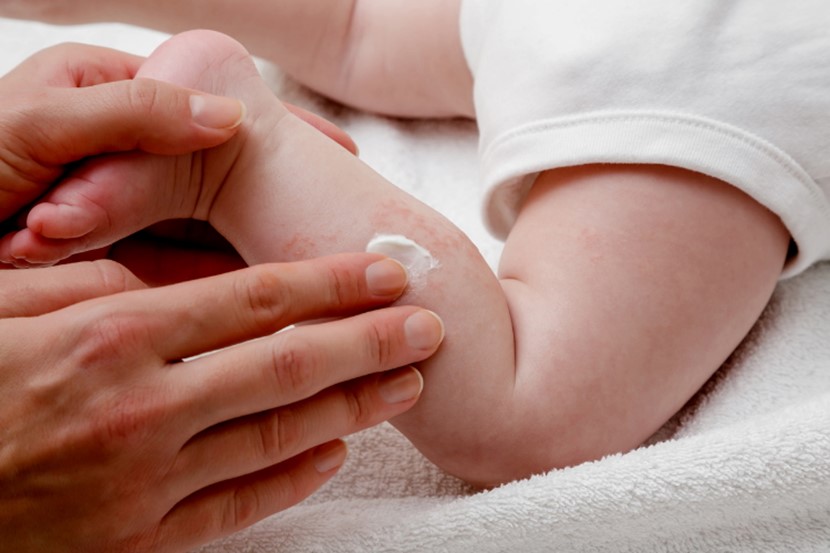
Does your child suffer from eczema? Naturopath Natasha Berman has some ideas for treating the problem from the inside out, naturally.
As a naturopath, I see a lot of eczema. While eczema was once a rare condition, these days, it is so common that in my children's clinic, it is the number-one presenting complaint. As a holistic practitioner, I agree that every person is different, but there are definitely some common underlying causes of eczema, and, therefore, some common effective treatments. Obviously, what works for children can also work for adults with the condition, but it can also be more complex in adults, who additionally often have stress as a trigger for their skin reactions.
Eczema is also known as dermatitis (literally meaning "inflammation of the skin") or atopic dermatitis (AD). "Atopic" simply means "allergic", and often eczema that develops before your baby is six months of age may be the first manifestation of allergy. 75% of atopic eczema cases start before the age of six months, 90% before the age of five years. In babies, it often starts with itchy, weepy facial lesions, and can spread to patches anywhere on the body. In children, the most common areas of involvement are the elbow and knee flexures, but also the wrists and ankles. As eczema is often the first sign of allergy, many children with early eczema may develop allergic rhinitis (hayfever), asthma, or food allergies.
Eczema is "an itch that rashes", in contrast to contact dermatitis, where the rash appears before the itch and so is "a rash that itches". The itching leads to scratching, which can result in changes to the skin barrier. Infants with eczema often have a history of nappy rash. For some infants, eczema is a mere annoyance, but for others, it is extremely distressing and can become quite severe.
What we do know is that eczema is familial, meaning there is usually a family history of eczema, food allergy, and/or asthma. Symptoms manifest in inflammation of the skin and an alteration in the immune response, which reduces the body's ability to cope with environmental allergens and food sensitivities.
There is a controversial concept that vaccination may promote the development of atopic disease such as eczema. A random sample of 9,744 children was followed from birth to three to 15 years. The main finding was a significant increase in eczema in children after the measles, mumps, and rubella (MMR) vaccination was administered. However, this is not a valid reason you should avoid giving your child the MMR vaccination.
The bacteria Staphylococcus aureaus is also a feature of eczema. Studies show that more than 90% of those suffering from eczema are affected by the bacteria. Most people will carry staph bacteria in their noses without getting sick, but when the skin is punctured or broken (via itching or inflammation to the skin), staph bacteria can enter the wound and cause infections.
Staph can spread through the air via contaminated surfaces, and from person to person, from one area of the body to another on dirty hands and under dirty fingernails, so hand-washing is the most important way to prevent staph infections.
Food allergies and intolerances account for much of the increase in eczema, and I constantly work with this in my clinic. But it's important to understand the difference between a food allergy and an intolerance.
A food allergy is:
A food intolerance is:
Hair testing for allergies shows that the major food items that seem to cause problems in those suffering from eczema are one of or a combination of the following:
Environmental irritants such as dust mites and detergents can also be a problem, and there is often underlying insufficient good gut bacteria.
Once problem foods and substances have been eliminated, and the correct treatment protocol has been followed, I very quickly see a huge improvement in the condition of the skin.
Much of our immune defense is located in our gut, and this is especially true for babies and children. Promoting good gut health, through the use of fibre in the diet, low-sugar diets, and replacements of beneficial gut bacteria following antibiotic use, are all essential for good gut immunity. Similarly, if a child has been born by Caesarean section, they will need more intensive gut support such as extra probiotics, as they do not have the benefit of normal bacterial colonisation. Studies confirm that the use of probiotics can help prevent eczema in children who may have a genetic tendency, and help treat eczema in children who already have it.
Treating eczema
As a first step, I often recommend children get an Allergenics Allergy Test. Getting to the bottom of food triggers is essential. Food consumed by the breastfeeding mother can be affecting the baby via breastmilk.
While awaiting the allergy test results, I recommend starting children on the following supplements:
Flaxseed oil. I recommend different products depending on the age (and taste buds!) of the child. A firm favourite is ChildLife Essential Fatty Acids (www.childlife.co.nz) as it is butterscotch-favoured. This is great to add to smoothies, and many children are happy to take it from a spoon. I prefer the oil to the capsules, as you can simply get more in! Cod-liver oil is also effective. The omega-3 fatty acids present in both flaxseed and fish oils help to reduce the infammatory/allergic response.
Probiotics (Lactobacillus rhamnosus GG strain). A clinical trial showed that when taken by mothers during pregnancy and breastfeeding, Lactobacillus rhamnosus GG strain may reduce the incidence of children developing eczema, reduce the symptoms of eczema such as itching and sleeplessness, and reduce the incidence of children with atopic conditions, including allergic rhinitis and food allergy. Not all probiotics contain this strain, so be sure to get one that does, such as Ethical Nutrients Eczema Shield Powder (www.qhealth.co.nz).
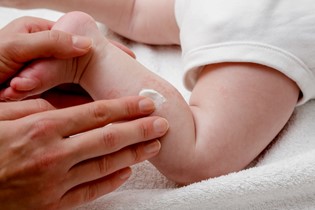
Cream. I recommend a cream for topical application which contains herbs such as albizzia, which is an anti-allergenic herb, and chickweed, which helps to reduce itching, as well as zinc for skin healing and rosehip to reduce redness and scarring to the affected areas. Quintessence Eczema Cream (www.qhealth.co.nz) contains all of these ingredients.
Drops. Taken internally, these formulas may help to reduce allergies by opening up all of the other channels of elimination, reducing eczema overall. Try Quintessence Eczema Drops (www.qhealth.co.nz).
It is also extremely beneficial to only use products on your child's skin that are natural and contain no harsh detergents, no petrochemicals, no artificial fragrances and no parabens. Natural products (such as those in the Made4Baby range (www.made4baby.co.nz) are ideal for all skin types, in particular that of children with sensitive skin or eczema.
Other useful treatments include:
Adding calendula oil to the bath, or using it as a massage oil. Calendula oil is naturally anti-inflammatory and high in beta carotene, which is healing for the skin.
An oat bath is a great, old-fashioned treatment. Wrap up rolled oats in a muslin cloth and hang over the bath tap while running the bath so the water drains through it. The oats will make the water milky in colour, and this is extremely soothing and healing to the skin, as well as a great help in reducing redness and itching.
Also, take a look at any washing detergents you use, and consider changing to a natural range that contains no harsh chemicals.
It can be a little overwhelming at first to try work out what is causing the irritation with your child's skin, but there are certainly very common general elements involved. It is important to stay calm, work through the treatment protocol, and give the child's body time to settle, heal, and regenerate.
Natasha Berman is a naturopath and medical herbalist and is the managing director of Qbaby, a natural health dispensary in Titirangi Village, Waitakere. Natasha is a mum to two sons and passionate about children's health and wellbeing. To find out more, visit qbaby.co.nz and allergenicstesting.com.

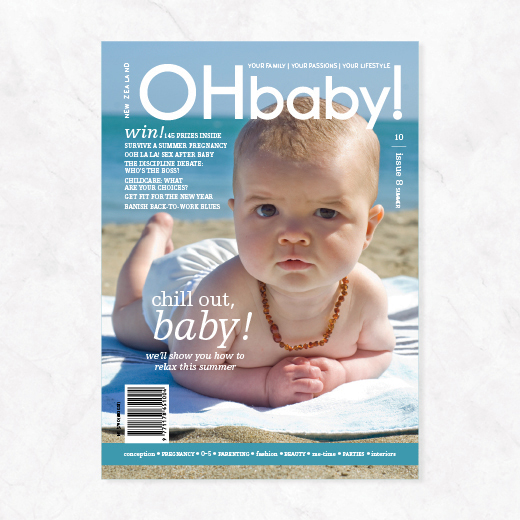
AS FEATURED IN ISSUE 8 OF OHbaby! MAGAZINE. CHECK OUT OTHER ARTICLES IN THIS ISSUE BELOW








Cookie Policy | Terms & Conditions | Privacy policy | Copyright © 2024 www.ohbaby.co.nz. All Rights reserved.