
The Seven Sleep Stealers
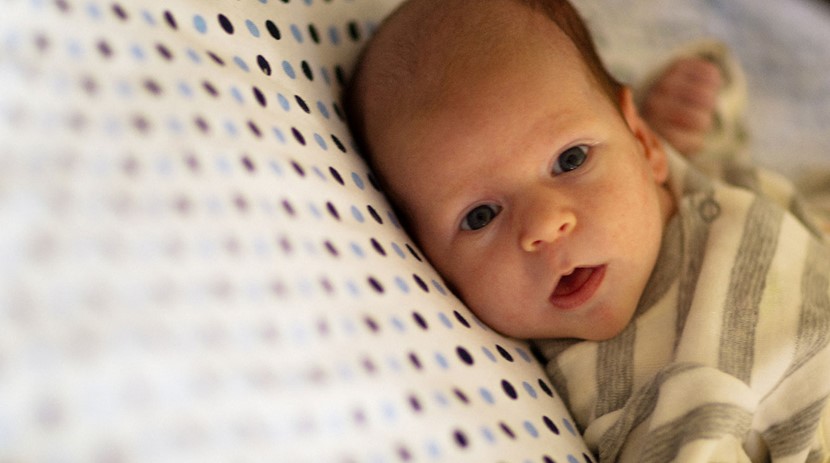
There are seven main "sleep stealers," or reasons your child isn't sleeping well; she may be affected by one of them, by a combination of several, or-if you've hit the jackpot-by all seven.
#1: No Consistent Bedtime Routine
Though most parents know a bedtime routine is a good idea, it is hard to be consistent, either because there's too much to do or because your child has so much energy that it's hard to slow her down. Still, a predictable wind-down routine is one of the most important tools your child needs to sleep well. Tips:
• Physical activity should come before the routine
• Should last 15 to 60 minutes at nighttime, and about 10 to 15 minutes before a nap
• Do routine in the same room where your child sleeps
• Do approximately the same activities each time in the same order
#2: Your Child Needs You to Fall Asleep
It's the most natural thing in the world to rock or feed your child to sleep, but doing this doesn't help him stay asleep all night - many children who fall asleep this way awaken repeatedly. These disruptions are often caused at least partially by their dependence on certain conditions, or "sleep associations" - anything your child associates with falling asleep, including being held, rocking, sucking or falling asleep with a parent. Throughout the night, your child drifts into lighter sleep phases to check out her environment. During these "partial arousals," she's not fully conscious-and as long as nothing has changed significantly since she fell asleep, she returns to deeper sleep. But for many children, if something is different, this raises a red flag and she will need you to recreate the same conditions that were present when she fell asleep in the first place. Not all associations are bad; what's important is that your child can recreate them on his own and put himself back to sleep.
|
Baby Sleep Advice: |
#3: Poor Sleep Environment
Your child's environment plays a very important role in her ability to sleep well. She needs to be protected from disruptions that can prevent her from settling to sleep, sleeping deeply, and sleeping for the right length of time. Tips:
• Your child's cot or bed should be all about sleep, and whatever doesn't contribute to sleep should go
• On a scale of 1 to 10, 10 being dark, your child's room should be an 8 or 9
• Protect your child from distracting sounds with white noise. You can use a fan, air purifier, or white noise machine
• Dress children in something warm enough to protect them without a blanket
#4: Misusing Sleep Aids
Sleep aids include pacifiers, swaddling, music and blankies. Although some sleep aids lead to sleep associations, not all are detrimental. What's important is that you know when they are appropriate and when they interfere with sleep.
#5: Mistimed Sleep Schedule
Allowing your child to stay up until he seems tired is one of the surest ways to guarantee a bumpy night of sleep. One reason is that your child will probably wake early, is due to morning light; the other is that your child will likely become overtired. For children of every age, there are optimal "sleep windows" in which it is easiest to drift off into sleep. If your child goes too far past this window, his body becomes stressed and produces the hormone cortisol, which acts as a stimulant, like caffeine and can cause your child to act "wired" or appear to get a second wind. Most children do well with a bedtime between 7:00 and 8:00 PM; 8:30 is the latest bedtime we recommend up to age 10. Choosing a consistent bedtime doesn't mean that your child won't ever be able to stay up late for a special occasion or a family night out; if he does stay up late one night, try to put him down on time the next. Most children need at least 11 hours of sleep to function well. And bedtime is the time when your child is in her cot or bed with the lights out.
#6: Limit Testing
Your child may not want to go to sleep because he doesn't want to miss the action, and your older child wants more control than he did as a baby. Put the two together, and you have a child who will do everything he can to stall and prolong bedtime. We hear stories from parents about their children's award-winning performances as they try to delay bedtime. Pulling out all the stops, they act as though they're in the Sahara dying for water or insist that they'll waste away in the middle of the night unless they have a bedtime snack. If your child isn't highly verbal yet, she may simply tantrum when you try to put her to sleep. Either way, the drama can be intense and almost always gets a reaction from parents. It can be tempting to give in to the demands of your adorable toddler, but delaying bedtime isn't good for either of you.
#7: Night Noshing
To be successful in learning how to sleep your child needs to have one clear, consistent response to his night wakings. If you sometimes feed him when he cries and sometimes do not, he'll become confused and will cry longer and harder overall. You may be wondering how your baby will make it all the way through the night without feeding. You have every reason to be concerned about this if your child is used to eating at night, but by the time a baby is 5 months old and weighs 15 pounds, she should be able to sleep all night without a feed. If you have a toddler who is growing well, he is perfectly capable of taking in all of the necessary calories and hydration during the day.
By Jennifer Waldburger, LCSW, and Jill Spivack, LMSW
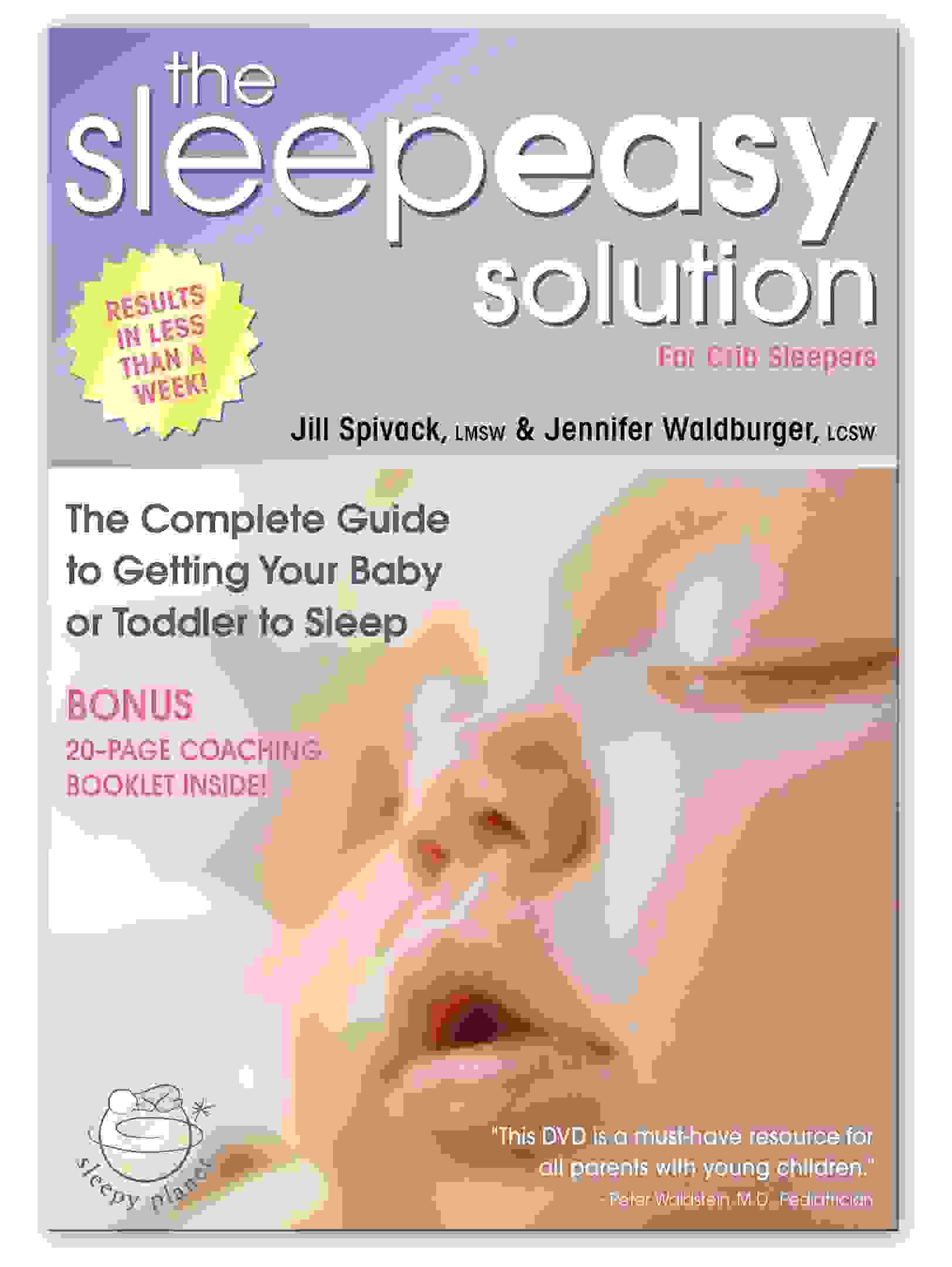 Jennifer Waldburger, LCSW, and Jill Spivack, LMSW, are psychotherapists and co-founders of Los Angeles-based Sleepy Planet, where they offer private sleep consultations and parent education. Their book and DVD, The Sleepeasy Solution; The Exhausted Parent's Guide to Getting Your Child to Sleep from Birth through Age 5, were released in May 2007. The DVD & range of CDs are available exclusively through The Sleep Store in Australasia.