
Premature babies in New Zealand
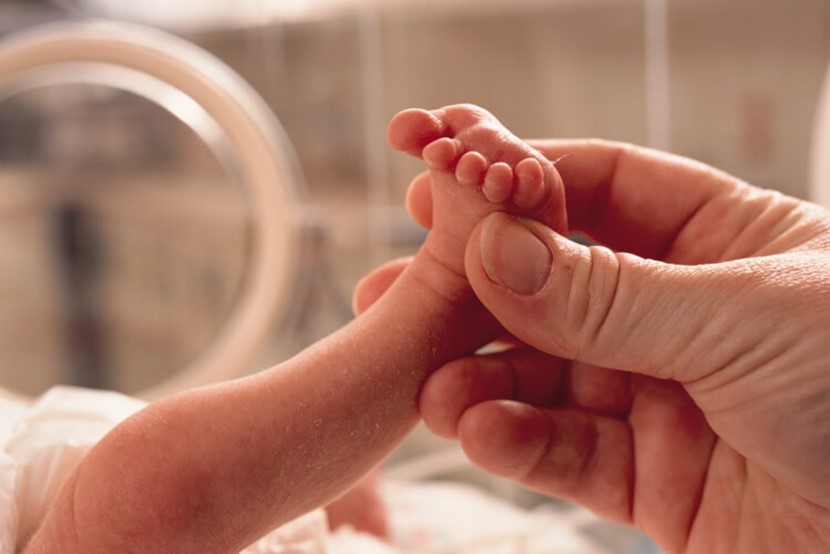
Around ten percent of babies born in New Zealand are born prematurely, which means they are born before they reach 37 weeks gestation. In some cases, the cause is obvious, for example toxaemia, diabetes and other medical conditions. Multiple births also have a higher incidence of prematurity. But in the majority of cases, the reason why a baby is born early remains a mystery.
With recent developments in medical technology, babies born as early as 24 weeks can survive. Baby's chance of survival increases, and the chance of baby being disabled decreases, with every day spent in the uterus. A 24-week old baby has a survival rate of around 40 percent, by 30 weeks; the chance of survival has leapt to 95 percent, with only a 20 percent risk of disability.
Premature babies born today have a much greater chance of survival even than babies born five years ago, so rapid have been the developments in technology and treatment.
When a mother shows signs of going into labour prematurely, there are several things which doctors can do to increase the baby's chance of survival. Steroid injections are given to the mother which helps the baby's lungs to develop at a faster rate. Drugs can also be given to stop the progression of labour, although these are not always successful, and can only be used for a short period of time.
When a baby is born prematurely, he or she will need special care, usually in a neonatal unit. There are neonatal units attached to National Women's and Middlemore hospitals in Auckland, and Waikato, Wellington, Christchurch and Dunedin Hospitals. If you live in an area where there is not a neonatal unit, you and your baby may need to be transported to a neonatal unit by ambulance or by air.
Premature babies usually have difficulty breathing as their lungs are underdeveloped. There have been many new treatments introduced over the past few years which assist breathing and enable the baby to breathe on his or her own much earlier than previously expected.
North Shore Hospital now has a Special Care Baby Unit (SCBU) where they can look after premature babies who do not require ventilation
Babies born prematurely often lack the sucking reflex which enables them to feed, so often premature babies are fed by tube in the early days after they are born. Mothers of premature babies are encouraged to express breast milk where possible, so that their baby receives the extra nutrition and nourishment found in breast milk. Another advantage of expressing milk is that it enables the mother to maintain her milk supply so that the baby can eventually be taught to latch and breastfeed.
Babies born prematurely often lack the sucking reflex which enables them to feed, so often premature babies are fed by tube in the early days after they are born. Mothers of premature babies are encouraged to express breast milk where possible, so that their baby receives the extra nutrition and nourishment found in breast milk. Another advantage of expressing milk is that it enables the mother to maintain her milk supply so that the baby can eventually be taught to latch and breastfeed.
The premature birth of a baby can be a very emotional time for the family concerned. Depending on how premature the baby is, his or her parents may have to wait days, even weeks before they are allowed to touch their baby. Simple things like bathing and feeding that we take for granted become major milestones in a premature baby's development.
The staff who work in the neonatal units are specially trained to deal with not only the needs of the baby, but of the family as well. Some units provide families with scrapbooks to record their child's progress, as well as Polaroid photos, hand and foot prints and measurements.
The length of time baby needs to stay in hospital depends on how early he or she has been born, his or her birth weight and how he or she progresses after birth. As a general guide, most babies will leave hospital some time around their due date. Very premature babies may need to stay longer, whilst those born closer to full term may only need a few days in hospital.
A premature baby's milestones are not measured from the date of their birth, but rather from the date he or she was due to be born. This is known as "corrected age". Therefore, a baby who is 12 weeks old, but was born at 34 weeks gestation, would have a corrected age of six weeks.