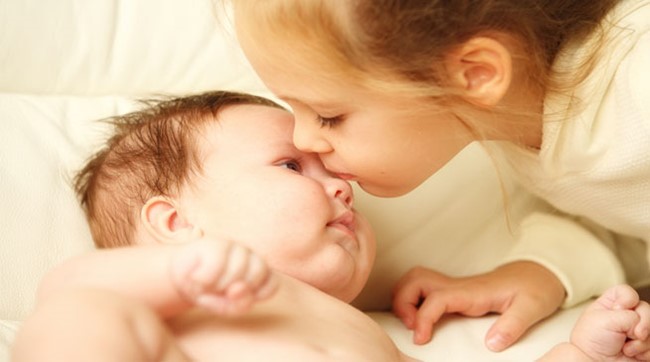
Preparing toddlers for the arrival of a new baby
Expecting a new baby in the household it is typically an
exciting time with much attention paid to this up coming event.
Often owing to the uncertainty of when baby will arrive there is a
need to pack and have arrangements in place for the care of the
other child(ren). A place for the baby to sleep, baby clothes,
changing and bathing equipment, car seats and a pram or buggy need
to be ready for use. This involves some organisation and can be an
uncertain time for the older child(ren) in the family if they are
not sure of what to expect. Sometimes siblings have fears of being
displaced, and no longer being the child that parents lavish all
their attention on.
Sometimes changes such as shifting bedrooms or going from a cot to
a bed or a focus on toilet training are goals parent wish to
achieve with the older child(ren) and have ticked off before baby
arrives. This again may be somewhat unsettling and where possible
this ought to be done well before the baby is due to arrive.
Many children adjust well to the arrival of a new baby in the
household, however a sizeable number experience some jealousy
and/or aggression towards the new born. Some regress to
babyish behaviours such as thumb sucking, using baby talk, and/or
wanting to wear a nappy. Some demand lots of attention particularly
when you're spending time with the baby and can be moody,
disobedient or clingy. Occasionally, a sibling may be hurtful and
aggressive towards the baby which can be very distressing for
parents and baby alike.
Through preparing your child for the arrival of a new baby you
assist them to make a healthy adjustment to this newest member of
the family. Talk to them about what will be happening, where they
will be and who will look after them, and answer any questions with
an age appropriate response (this means a response that will
satisfies their question and has been explained using terms they
know). Talk through what it was like when they were a baby, and
bring out any photos. You may also visit your local library and
pick up books about bringing home a new baby. Point out and talk
about other families with babies you both know. Explain to them
that the baby will sleep lots, feed often, can't see too well
initially and will cry often. Allow your child to help in any
preparations (e.g. picking out some baby books for the nursery,
stacking nappies, making a present, picture or card for the
baby.
Once your baby arrives allow your older child to interact with
the baby when they are ready. They may be very excited or
conversely take a little time to warm to baby. Involve your child
in the care of their baby brother or sister by letting them fetch
you a cloth, nappy, or toy, or to share their favourite book, song
or nursery rhyme with the baby. Be available for hugs, kisses and
undivided time with your older child as this communicates to them
your continued availability and love for them.
Remember to use your baby's name when talking about them to you
older child so they perceive the baby as a special, unique person
and not an inanimate object. During breast/bottle feeding,
set yourself up with some children's books and where possible, read
to your older child whilst feeding your baby.
Attempt to keep as many of your older child's routine as possible,
such as bedtimes, meal times, kindergarten attendance etc.
When a child is hurtful or aggressive a parent needs to act
quickly and let the child know firmly that this is unacceptable
behaviour. If you child is displaying regressive behaviours i.e.
babyish behaviour, look for opportunities to praise and encourage
them when they behave age appropriately, and simply ignore their
"babyish" behaviours. If the regressive behaviour is in toileting
or eating, deal with any related accidents or messes in a matter of
fact way.
If your child says hurtful things about their new brother or
sister it is useful to respond in a constructive way. This would
involve acknowledging their feelings and being understanding of
them (e.g. "I can see that you are angry with baby Katie, it is
hard to hear your story tape when she is crying so loudly, I feel
like that too sometimes at night when I'm trying to sleep and Katie
won't stop crying").
Lastly but importantly remember to encourage and praise any
loving, helpful behaviours they have towards the baby from your
older child.
By Pauline Ogilvy, Registered Psychologist
This information was based on Triple P Infant Tip Sheet. For
more information contact the Triple P office.