
A real pain: symphysis pubis dysfunction
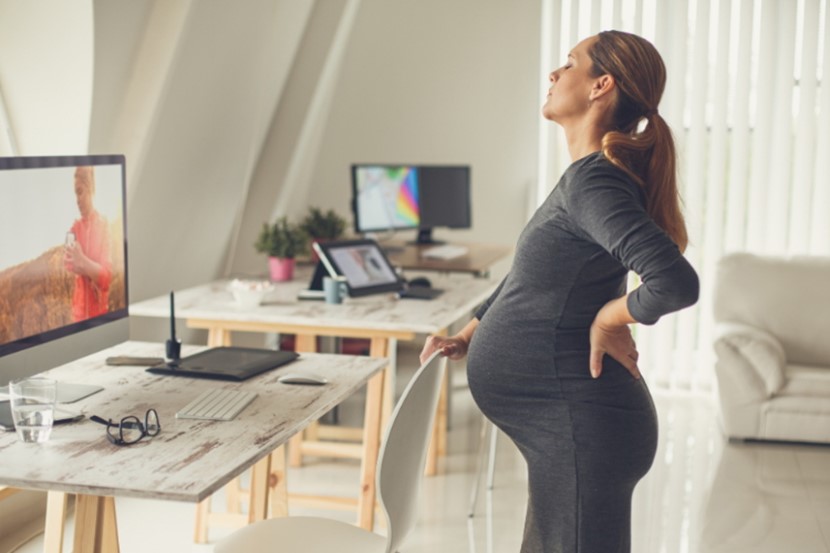
For some pregnant women, the growing weight of their baby, combined with their softening, stretching muscles, will cause their pelvic joints to begin to separate, resulting in a very painful condition called Symphysis Pubis Dysfunction (SPD).
During the birth process, your pelvis will need to open up to allow the baby to pass through the birth canal. To help make this possible, during pregnancy the hormones relaxin and progesterone help to soften your ligaments and muscles, making them more pliable and stretchy ready for birth. It's normal to experience a feeling like you've pulled a ligament as this occurs, and most women find that a warm bath or heat packs can help.
SPD is more common in women who have had previous lower back or pelvic injuries, but can occur completely randomly. If you've experienced it in a previous pregnancy you're more likely to experience again, but this is not always the case.
Symptoms of SPD include:
• Pain in the pubic area where the pelvic bones join
• Pain when pressure is applied to your pubic area, for example during an examination by your LMC
• Pain when doing an activity that requires you to separate your legs, for example getting in/out of the car, walking up stairs
• Hip pain
• Difficulty getting comfortable when lying down, particularly in the hip/pubic area
• Lower back pain
• A feeling of clicking or grinding in the pelvis
If you are experiencing any of these symptoms, your first call should be to your LMC. He/she will be able to refer you to a physiotherapist who specialises in women's health issues.
Common treatments of SPD include:
• Using a support belt, a thin strap which fits underneath your bump and helps to hold your pelvis together and support the weight of the baby
• Using a tubigrip support stocking, a tubular piece of stretchy stocking worn around either your whole bump, or the lower half of your bump, to help hold your pelvis together and support the weight of the baby
• Bed rest
• In severe cases, using crutches or a wheelchair
Things you can do at home to help lessen the pain of SPD include:
• Not sitting for prolonged periods of time, this places extra stress on your pelvis and symphysis pubis joint.
• Putting a plastic bag on the seat of the car to assist you with getting in and out. Use the plastic bag to slide around sideways so that you don't have to separate your legs to get in/out.
• When lying in bed, place a pillow between your knees, and another pillow under your bump, or use a special body pillow (available from nursery goods retailers). Roll in and out of bed rather than climbing in and out. Take extra care when turning over in bed.
• Avoid activities which require you to straddle, and try to keep your legs close together whenever possible.
• Take care when getting dressed, especially when putting on underwear, socks/pantyhose and pants. You might find it easier to sit while getting dressed.
• Swimming is a good form of exercise as the water helps to support your body and it is very low impact.
If you have SPD, it is important to talk to your LMC about your birthing options. SPD is often associated with breech or posterior presenting babies. If your baby is breech, you may be asked to consider a caesarian section, or to consult with a specialist prior to labour. If your baby is posterior you will probably be encouraged to try for a vaginal delivery, but you may experience a long first stage of labour with contractions felt in your lower back.
Certain birthing positions have been found to work best for women with SPD; they include kneeling on all fours or standing. Squatting, delivering on your back or in stirrups can all aggravate SPD as they cause the pelvic joints to separate even more. If possible, avoid an epidural as this can dull the pain of SPD and you may not be able to feel any damage potentially occurring during labour.
Most women find that their SPD resolves itself shortly after the birth of their baby, but you should have a follow up appointment with your physiotherapist a few weeks after delivery to ensure that your pelvic joints are correctly aligned to prevent ongoing pain.